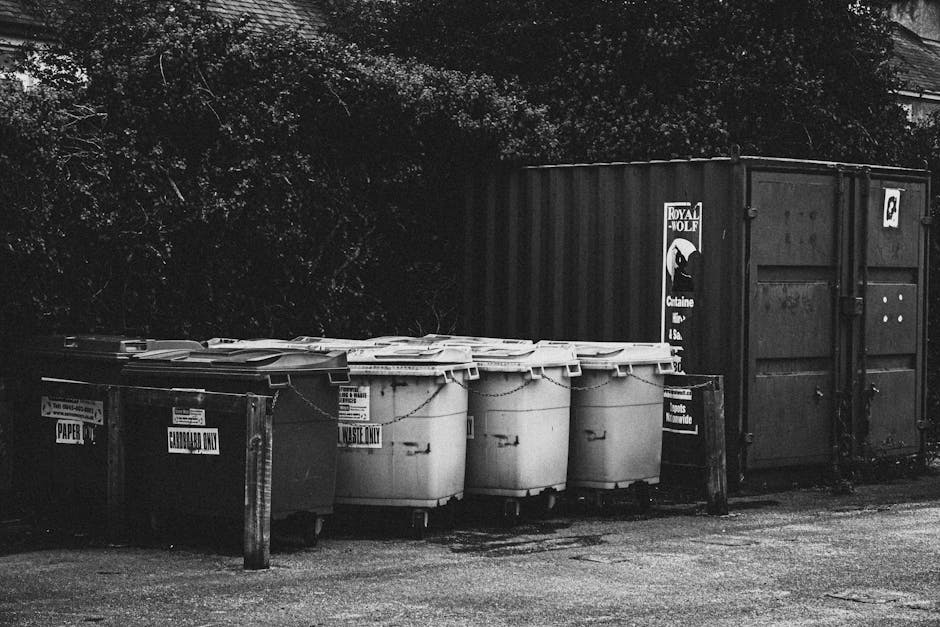
Commercial Waste in Brent Cross for regular business collections and one-off clearances

Commercial Waste Brent Cross services are built around practical removal of office, retail and trade rubbish from premises that need a tidy, compliant route for disposal. This page focuses on the main service in Brent Cross: keeping business waste moving out of the workplace without cluttering stores, corridors, yards or back-of-house areas. Our service can cover mixed commercial rubbish, bulky items, and recurring collections where a site produces waste on a regular pattern.
Businesses often need more than a simple uplift. Different waste streams may need separating before collection, and access can matter as much as the volume of material. We can support customers who want a straightforward clearance, as well as those who need a planned collection around opening hours, loading space or shared premises. If you are comparing options, it helps to match the collection method to the type of waste rather than treating everything the same.
For a clearer picture of the service, the pages below outline common waste types, business collection options and the factors that can affect a quotation. You can also request a quotation once you know roughly what needs removing and how often it appears. Pricing and quotations are explained in more detail for customers who want to understand what shapes the cost before booking.
Business waste collection options
Regular commercial waste removal suits workplaces that need repeat help with day-to-day rubbish, packaging, paper, broken fixtures, light furnishings and general non-hazardous refuse. The aim is to keep service simple: a site produces waste, it is collected, and it is taken away in a way that leaves the business ready for the next shift. For offices, shops, showrooms and smaller mixed-use premises, this often means setting out a sensible collection pattern that avoids overfilling internal bins or storing bags in customer-facing areas.
Some businesses need more targeted handling because their waste is not all of one kind. Office clearances can include desks, chairs, filing, screens, partitions and mixed office rubbish, while storage rooms may hold outdated stock or redundant fixtures. If your waste includes confidential paperwork, it may be sensible to separate shredding from general disposal and keep records clear within the business. Office clearance is a useful starting point for workspaces that need a fuller emptying rather than a simple bag collection.
Where commercial waste is being generated in quantity, a clear plan usually works best. The key decisions are what is being removed, how it is stored before collection, and whether any items must be kept apart because of material type or handling requirements. For businesses that need a flexible route, waste removal covers broad mixed-load situations, while specialist pages can help if the contents are more specific.
Clearance for workplaces, stockrooms and shared premises

Some premises need clearance rather than collection alone. That can include a back office being emptied, shelving being stripped out, or stockroom space being cleared before reconfiguration. In these cases, the service is not just about lifting waste but about removing the items that are blocking use of the room. Commercial clearances are often used when a business is changing layout, reducing storage, or preparing an area for maintenance.
Shops, clinics, studios and small industrial units may all accumulate items that are no longer needed but are too bulky to leave in ordinary bins. Packaging, old counters, obsolete display units and worn furniture can build up quickly if a site has little spare storage. When the job is planned well, the result is a more workable space with fewer obstructions at the point of collection and less need for repeated internal handling. Business waste removal supports that wider need for ongoing commercial disposal.
If the clearance involves furnishings, it can be useful to identify whether the load is mainly office furniture, household-style furniture in a commercial setting, or a mixed set of items from several rooms. That helps shape the most suitable collection route. In many cases, the same visit may include a blend of light fixtures and bulky waste, but larger or heavier items should be listed clearly so the work can be planned safely and efficiently.
What commercial waste can include
The exact contents of a commercial collection vary from one site to another, but many jobs involve a mixture of ordinary business refuse and bulky items that are difficult to remove through standard bin services. Examples may include cardboard, plastic packaging, paper, old shelving, broken office equipment, worn seating, display units and miscellaneous stockroom waste. A well-matched service should be able to deal with the load as it actually stands, rather than forcing the customer to split it into unnecessary jobs.
Some categories need separate consideration. Electrical equipment, refrigeration units and certain materials may need to be checked before removal, especially where handling rules apply or a site wants a more organised disposal route. If the waste includes food-service equipment, a cold room appliance or a heavy white good, it is worth looking at whether a specialist collection is appropriate. Fridge and appliance removal is relevant where the job moves beyond standard office or retail rubbish.
For customers who are unsure how to describe the load, a simple list often helps more than a long explanation. Note the main item types, whether the waste is bagged or loose, and whether anything is unusually large, awkward or fragile. That gives the collection team a practical picture of the work. It also reduces the chance of arranging the wrong service when the site has several kinds of waste stored together.
Commercial clearance by property type

Different business premises produce different waste patterns, and the service needs to fit the layout as well as the item type. An office may mainly generate paper, chairs, screens and old fittings. A workshop may have heavier materials, stored equipment and general debris from reorganising the space. A retail unit may need help with fixtures, packaging and redundant stock. The more clearly the property type is understood, the easier it is to choose the right collection approach.
There is also a difference between a straightforward waste lift and a fuller room clearance. If a business is emptying a single area, such as a store cupboard or break room, a light clearance may be enough. If multiple rooms are involved, a broader service may be more suitable. Home clearance and flat clearance pages are useful for domestic settings, but commercial customers should focus on the business pages when the property is used for work.
Sites that contain mixed-use spaces sometimes need a balanced approach. For example, a unit above a shop, a staff room with old furniture, or a shared building with back-office storage may produce a combination of waste streams that are not all handled in the same way. In those cases, the collection plan should reflect the actual rooms involved, the access route and the most awkward items, rather than relying on a general estimate alone.
How to prepare for a collection
A good quotation is easier to prepare when the waste is described clearly. The most useful details are the kind of items to be removed, the approximate amount, and whether access is straightforward or involves stairs, tight corridors, loading restrictions or parking limits. Photographs can also help where the load is mixed or spread across several rooms. For many businesses, a short description and a few images are enough to identify the most suitable service.
It also helps to decide whether any items must stay on site. If there are documents to keep, equipment to retain, or shelving that is being reused, separate those items before the collection date. This avoids delays and prevents useful materials being treated as waste. If you are gathering information for a price request, a concise note about the site layout and opening times can be enough to make the arrangement more accurate. Contact us with the main details when you are ready to arrange the next step.
Preparation does not need to be complicated. A clear list, a sensible access route and a realistic estimate of volume usually go a long way. If the waste is spread through several rooms, mention the number of areas involved and whether anything is especially heavy or awkward. That gives a better basis for planning than a vague total, and it helps the collection stay orderly from the start.
Materials, separation and safe handling
Commercial waste work is often easier when the contents are separated into broad groups before collection. Cardboard, paper, hard plastics, timber, metal, furniture and mixed rubbish may all be present in one workplace, but not every item should be handled in the same way. Sorting the main categories in advance can make it simpler to load efficiently and may help keep reusable or recyclable material distinct from general waste.
Some materials need more care than others. Sharp edges, heavy panels, broken glass and compacted loads can make a clearance slower if they are not identified early. Hazardous or specialist waste should never be treated as ordinary rubbish, and businesses should use the appropriate route for items that require special handling. Hazardous waste disposal is the more suitable page where the contents fall into a higher-risk category rather than standard business rubbish.
For many premises, the best approach is to keep the service practical and consistent. That means keeping recyclable material separate where possible, presenting waste so it can be lifted safely, and flagging any item that may need specialist attention. Businesses do not need to overcomplicate the process, but a little organisation at source can make the collection smoother and reduce unnecessary handling inside the property.
Furniture, fixtures and bulky items

Commercial collections often involve furniture or large fixtures that are awkward to remove through ordinary waste channels. Office desks, cabinets, shelving, seating and reception items may all need taking away when a workspace is being refreshed or reduced in size. In retail settings, counters, display units and storage furniture can become waste once the layout changes. These items are usually most manageable when the site has already identified what stays and what goes.
Bulky waste is rarely just about size. Weight, shape and the route out of the building can matter just as much. A compact but heavy item may be harder to move than a larger lightweight one, and items with sharp corners or fragile surfaces may need more careful handling. If a job includes a mix of furniture and general rubbish, it is often best to describe the main bulky pieces first and then note the smaller load around them. Furniture disposal is useful where the job centres on larger items rather than loose waste alone.
Where the work is more focused on chairs, desks, cabinets or fitted items being removed from a business unit, a site can often save time by grouping those pieces together before collection. That does not mean everything must be dismantled in advance; rather, it means the team can work from a clear plan. This is especially helpful where access is limited or the items are stored in more than one room.
Pricing factors and quotation details
Commercial waste pricing is usually shaped by a small set of practical factors. The volume of waste matters, but so does what the load contains, how easy it is to access, and whether the job is a one-off clearance or a recurring collection. A collection from ground level with easy parking is very different from a multi-room clearance with stairs, mixed materials and several bulky items. Clear information helps produce a more relevant quotation.
Businesses sometimes want to compare a general clearance with a more specific service. That is sensible, because the right option depends on the type of waste and the way it is stored. For instance, mixed office rubbish may be suited to a broader removal, while a storage room full of furniture might be better handled as a targeted clearance. If you are weighing up those choices, the most useful next step is usually to describe the load plainly and ask for a quotation based on the actual contents. Good detail leads to a better match.
For customers ready to move ahead, keep the enquiry simple and factual. State what is being cleared, where it is located in the building, and whether there are any access issues or time restrictions. If the job is regular, mention how often the waste appears. If it is a one-off, say whether the site is being emptied, reorganised or simply tidied. That gives a sound basis for the quote request and avoids unnecessary back-and-forth.
About Brent Cross

Brent Cross is an area in the London Borough of Barnet, in north-west London, closely associated with the development of major transport and retail infrastructure. The name is widely recognised through the Brent Cross shopping area and the nearby junctions and road network that connect the district to surrounding parts of north London. Over time, the area has become a practical meeting point between residential neighbourhoods, commercial premises and routes used by commuters and visitors travelling through the borough. Its modern identity is shaped less by a single historic centre than by a combination of retail, road access and nearby neighbourhoods such as Cricklewood, Hendon and Golders Green. The original Brent is the local river from which the wider district takes its name, and the River Brent remains one of the natural features linked to the area’s geography. Brent Cross is also known for the long-running presence of major shopping facilities, car-based access routes and ongoing regeneration plans that have attracted attention across the borough. While much of the area’s public profile comes from retail and transport use, it sits within a broader part of Barnet that includes parks, local streets and mixed urban development. That combination of infrastructure, open movement corridors and built-up surroundings gives Brent Cross a distinctly north London character that is both functional and recognisable.
Commercial waste planning for busy premises
Busy commercial sites benefit from a collection plan that fits opening hours, staff movement and customer access. Waste should not block entrances, fire routes or loading spaces, and it should be placed so the collection can be handled without unnecessary disturbance to operations. Where a site shares access with other businesses, it is worth agreeing in advance how the waste will be presented and which parts of the building must remain clear. The smoother the route, the easier the removal tends to be.
Some businesses are best served by regular collections, while others need help only when the premises change use or accumulate more waste than expected. Both options are common. A regular collection supports consistency, whereas a one-off clearance can deal with a sudden backlog or a larger project. If your premises generate different waste streams across the week, the solution may involve a mix of services rather than a single fixed pattern. Business waste removal can sit alongside other pages where the site has more than one disposal need.
If you want to keep the process efficient, the simplest approach is usually the best: describe the waste honestly, note anything that is unusually bulky, and identify any access limits early. That makes it easier to scope the work accurately. When you are ready, request a quotation and use the service pages to compare the right collection type for your premises.